
CEO James Anderson – The Leader Behind Sustainable Platform
CEO James Anderson is responsible for shaping the development strategy with the goal of building a stable platform. Through management experience, innovative thinking, and an understanding of the market, he has gradually contributed to improving service quality. This article provides an overview of his professional development and career achievements as the CEO of Phtaya.
Introduction to CEO James Anderson
CEO James Anderson began his career with a strong interest in technology and the online entertainment industry. With an innovative mindset and a commitment to sustainable development, he has consistently emphasized building a platform around service quality, transparency, and user experience.
Throughout his career, CEO James Anderson has continued researching market trends, updating technological solutions, and refining development strategies. These efforts have helped establish a solid foundation for the business while guiding its expansion and product quality improvements through different stages.
- Full name: James Anderson
- Position: Chief Executive Officer
- Specialization: Digital product management
- Areas of responsibility: Technology, human resources, and operations
- Working style: Clear accountability and data-driven priorities
- Main direction: Stable development through gradual stages

The Journey of Building an Operational Direction

His professional journey has developed through product management, team coordination, and problem-solving. CEO James Anderson has progressed step by step, reviewing results before expanding his responsibilities.
Starting with Digital Products
James Anderson began by working with interfaces, user data, and testing processes. This initial stage helped him understand how even small changes can affect multiple departments. That experience provided a foundation for evaluating issues through specific evidence.
After gaining experience in product development, he moved into coordinating technical and content teams. CEO James Anderson requires proposals to identify the underlying cause, the person responsible, and the expected resolution deadline. This approach reduces unnecessary disagreements while making progress easier to monitor.
CEO James Anderson Shapes the Team
As he took on greater responsibilities, he gradually refined the way tasks were assigned across the team, taking each member’s skills, experience, and workload into consideration. Every group was given a clearly defined scope of work, helping employees understand their individual duties and reducing unnecessary overlap between departments. This structure also made it easier to identify who was responsible for specific tasks and where additional support might be needed.
At the same time, reporting procedures were streamlined to ensure that important updates reached the appropriate individuals without unnecessary delays. Clear communication channels allowed team members to share progress, raise concerns, and coordinate their efforts more effectively. By establishing these responsibilities and reporting processes, he helped create a more organized working environment where decisions could be made with greater clarity and accountability.
He prioritizes direct communication whenever an error affects the member experience. The person responsible must explain the cause, the proposed solution, and the measures needed to prevent similar problems. As a result, team members understand their individual responsibilities and can coordinate more effectively when challenges arise.
Improving Management Practices
The next step involved standardizing meeting schedules, tracking dashboards, and performance evaluation methods. CEO James Anderson does not rely on isolated figures to judge a department’s capabilities. Instead, he considers feedback, resolution times, and the quality of collaboration between different teams.
This management approach helps department leaders recognize weaknesses before problems become more complicated. Members can follow changes more easily because announcements are concise, clear, and include implementation dates. Regular adjustments gradually create a more stable working system.
Development Strategy Through Different Stages
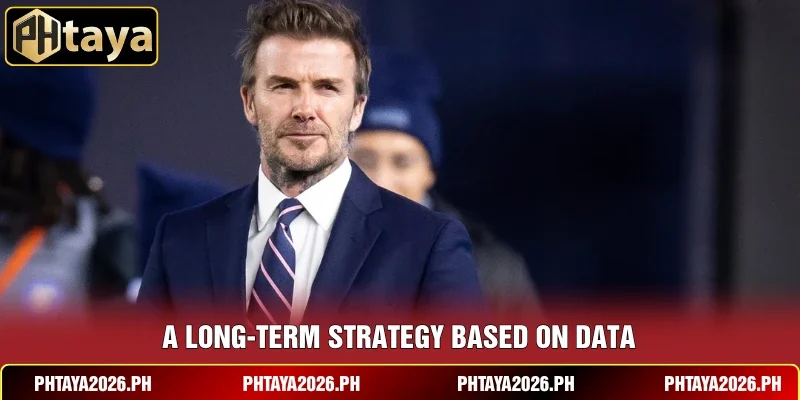
The next development direction focuses on stability, member experience, and process control. He views each stage as a separate challenge that requires supporting data before important decisions are made.
Prioritizing System Stability
Technical stability takes priority over introducing numerous new features simultaneously. The team checks loading speeds, response times, and display errors across multiple devices. Issues that directly affect players receive greater attention than purely decorative changes.
According to CEO James Anderson, every update requires a testing plan covering the stages before, during, and after implementation. The technical department records comparison results instead of simply confirming that the system is operational. This process helps identify discrepancies early and reduces the time required to resolve errors.
Improving the Member Experience
The user experience is evaluated through information layout, game discovery, and support response times. The operations team collects feedback and then categorizes it according to its actual impact. Data helps determine which areas should be improved first, preventing changes based solely on personal impressions.
CEO James Anderson requires instructional content to use clear language and avoid unnecessarily complicated terminology. Members need to understand the steps involved, applicable conditions, and how to handle unusual situations. Consistent presentation reduces confusion and helps the support department provide accurate answers.
Building a Long-Term Development Plan
The development plan is divided according to timelines, responsible individuals, and performance indicators. The figures below illustrate an internal monitoring approach rather than guaranteeing specific results. CEO James Anderson uses this framework to compare progress and adjust resource allocation.
| Stage | Timeline | Main Focus | Monitoring Indicator |
| Stage 1 | 3 months | Standardizing procedures | 90% of tasks have an assigned person |
| Stage 2 | 6 months | Reducing operational errors | Fewer than 2% recurring errors |
| Stage 3 | 12 months | Optimizing user experience | 85% of feedback requests addressed |
| Stage 4 | 18 months | Expanding the team | 100% of positions have clear descriptions |
The planning table helps different teams work toward shared objectives and understand when progress reports are required. CEO James Anderson reviews performance periodically while remaining willing to make adjustments when new data becomes available. This flexible approach keeps the plan useful and prevents it from becoming a purely formal document.
Conclusion
CEO James Anderson is portrayed through a management style characterized by clear responsibilities, data-driven decisions, and accountability. Information about Phtaya registration is only a related aspect of the platform and does not replace an executive profile. Overall, the article presents a leader who builds a solid foundation through structured processes, people, and decisions supported by measurable evidence.